
 A LeBron James rookie card is one of the most recognizable modern basketball collectibles, but the category is much broader than a single flagship issue. James entered the NBA during the loaded 2003-04 rookie-card class, giving collectors choices across Topps, Upper Deck, Bowman, Fleer, SP Authentic, Exquisite Collection, and other major releases.
That range creates opportunity, but it also makes details matter. The set, card number, autograph status, serial numbering, grading company, numeric grade, and eye appeal can separate two cards that appear similar in a marketplace search. For collectors building a focused LeBron collection or shopping for a major basketball gift, identifying the exact card is the first step.
Why LeBron James rookie cards remain major targets
LeBron James has the combination collectors look for in a long-term basketball centerpiece: a No. 1 overall pick, immediate NBA impact, championship credentials, sustained star power, and a career that has remained relevant across multiple generations of fans. His 2003-04 cards are not just rookie-year issues. They represent the start of a career that changed the NBA record book.
The 2003-04 class also gives LeBron collectors a useful range of entry points. A raw base rookie from a mainstream set can be a practical starting point. A PSA 10 flagship card offers a more condition-sensitive version of the same idea. At the high end, serial-numbered autograph and patch cards serve a different kind of collection entirely.
This is why asking price alone is not enough when comparing listings. A 2003-04 LeBron card may be a true rookie, an insert, a reprint, a later commemorative issue, or a card using rookie-card language in a listing title. Confirm the release year, set name, and card number before treating it as a direct comparison.
LeBron James rookie card releases to know
2003-04 Topps Chrome #111
 The 2003-04 Topps Chrome #111 is one of the defining LeBron James rookie cards. It combines a familiar flagship brand with chromium stock, broad collector recognition, and a major grading population. For many buyers, it is the first card checked when comparing high-grade LeBron rookies.
Condition matters sharply on this issue. Centering, surface scratches, edge chipping, and print lines can affect both grade and presentation. A PSA 10 commands attention because gem-mint examples are much harder to find than cards that look clean at a quick glance. PSA 9 copies can make sense for collectors who want the same key card without requiring the top numeric grade.
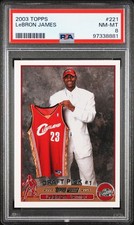
2003-04 Topps #221
The 2003-04 Topps #221 is a classic paper-stock LeBron rookie and a recognizable option for collectors who prefer a traditional flagship card. It does not have the chrome finish of Topps Chrome, but its clean design and accessible format give it lasting appeal.
Raw copies deserve a careful review. White corners, soft edges, surface wear, and off-center borders are common issues with paper cards. An Ungraded / Raw card can be a good fit when the listing photos support the condition, but it should not be priced like a professionally graded example without a clear reason.
2003-04 Upper Deck #6
The 2003-04 Upper Deck #6 LeBron James rookie card is another important mainstream release. Upper Deck was a central basketball-card brand during this era, and the card remains a straightforward way to add a licensed LeBron rookie to a collection.
Collectors should distinguish the base card from parallel versions or similarly designed Upper Deck products. Card number accuracy is especially useful here. A listing that identifies the year, Upper Deck set, and #6 card number is much easier to compare against other active cards.
2003-04 Bowman Chrome #123
The 2003-04 Bowman Chrome #123 offers a different route into chromium LeBron collecting. Bowman Chrome has a strong following across sports, particularly among collectors who value prospect and rookie-card brands. Its reflective stock creates visual appeal, but also makes surface condition a major part of the purchase decision.
Check for refractor terminology carefully. A base Bowman Chrome rookie, a Refractor, and a colored or serial-numbered parallel are separate cards with very different scarcity profiles. The photo, card number, and certification details should all line up with the listing description.
2003-04 Exquisite Collection #78 Rookie Patch Autograph
At the premium end, the 2003-04 Exquisite Collection #78 Rookie Patch Autograph is one of the hobby’s most significant modern basketball cards. It pairs an on-card autograph with a jersey patch and limited serial numbering, placing it in a different tier from standard base rookies.
Because high-end cards are frequently discussed by serial number, patch quality, autograph condition, and grading or authentication status, buyers should review every available detail. A card with a multicolor patch may attract stronger collector interest than a single-color swatch, but the serial number, condition, and authentication remain essential. This is a card where a BGS, PSA, or SGC holder can add clarity, although the grade is only one part of the collectible profile.
How grading changes the buying decision
A graded LeBron rookie provides a third-party opinion of condition and a holder that identifies the card. PSA remains highly visible for modern basketball cards, while BGS is familiar for cards with subgrades and SGC has a dedicated following among collectors. The preferred company can vary by buyer, set, and grade level.
The number on the label should not replace photo review. Two PSA 9 copies can have different centering, surface quality, or overall eye appeal. A buyer may prefer a strong-looking PSA 9 over a weaker-looking example with the same grade, especially when the asking prices are close.
For raw cards, the trade-off is simpler but not always easier. An Ungraded / Raw card may cost less upfront and offer a chance at a favorable future grade. It also carries more uncertainty. If a card is being considered for grading, inspect centering, corners, edges, and surface under the best available images. Do not assume a sharp-looking scan means the card is gem mint.
Details to compare before you buy
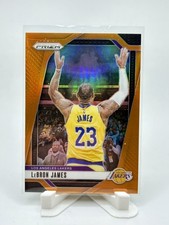 When several listings show the same LeBron rookie, use the card record rather than the title alone. Start with the exact year, manufacturer, set, and card number. Then confirm whether it is base, refractor, parallel, autograph, patch, or serial-numbered. These fields prevent the most common apples-to-oranges comparisons.
Next, look at condition status. A listing marked PSA 10, SGC 9.5, BGS 9, or Ungraded / Raw communicates different levels of certainty and different collector expectations. For slabbed cards, compare the certification label and confirm the grade applies to the card rather than only an autograph or other component.
Finally, compare the asking price against cards with matching details. A 2003-04 Topps Chrome #111 PSA 10 should be compared with the same card and grade, not with a raw Topps #221 or a numbered Exquisite rookie. The closer the card records match, the more useful the price comparison becomes.
Choosing the right LeBron rookie for your collection
There is no single best LeBron rookie card for every buyer. The right choice depends on whether the goal is a recognizable first LeBron card, a graded display piece, a premium autograph, or a card with meaningful serial-numbered scarcity.
Collectors who want broad recognition often start with Topps Chrome #111, Topps #221, or Upper Deck #6. Buyers who prefer chromium stock may compare Topps Chrome and Bowman Chrome. Those seeking a high-end centerpiece may focus on Exquisite Collection Rookie Patch Autographs, where authenticity, serial numbering, and patch presentation become part of the decision.
Take a closer look at the exact card record before making a purchase. A clear year, set, card number, grade or raw condition, and current asking price will tell you far more than a broad listing title, and that is what helps a LeBron rookie become the right addition to your collection.